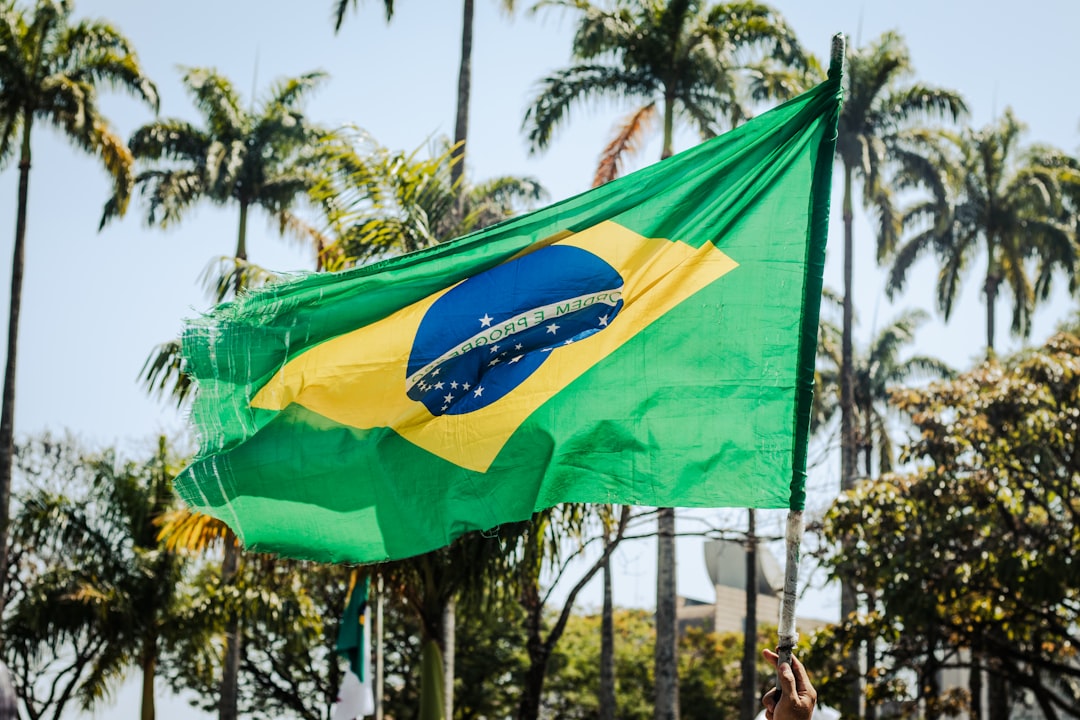
Brazil’s National Congress approved the end of the levy popularly known as the “taxa das blusinhas”, which applied to certain low-value international purchases. The decision brings significant changes not only for consumers, but primarily for the operations of domestic and foreign e-commerce companies active in the country.
Liability of Digital Platforms
A central aspect of the congressional approval is placing a higher compliance burden on technology companies. The approved text establishes the direct liability of e-commerce platforms in cases involving fraud or piracy.
In practice, this means companies intermediating cross-border purchases will need to reinforce internal controls and seller verification mechanisms. The goal is to ensure a secure digital environment where listed products comply with intellectual property regulations and commercial anti-fraud laws.
Periodic Review and Protection of the Domestic Market
The approved tax exemption is neither absolute nor permanent. The new rule establishes a safeguard mechanism for domestic industry and retail, requiring periodic assessments of the practical economic impact of the exemption in Brazil.
If these evaluations demonstrate that the domestic market is being negatively affected by the inflow of tax-exempt foreign goods, the Ministry of Finance holds the legal authority to reinstate the tax. This flexibility allows the government to adjust fiscal policy according to economic dynamics and competition between local retailers and cross-border sellers.
E-commerce platforms and foreign investors in digital retail should establish robust anti-fraud and anti-piracy policies to mitigate operational risks in Brazil, while closely monitoring upcoming reviews by the Ministry of Finance.
This content is for informational purposes only and does not constitute legal advice. For guidance on specific matters, consult a qualified lawyer.
Deixe um comentário