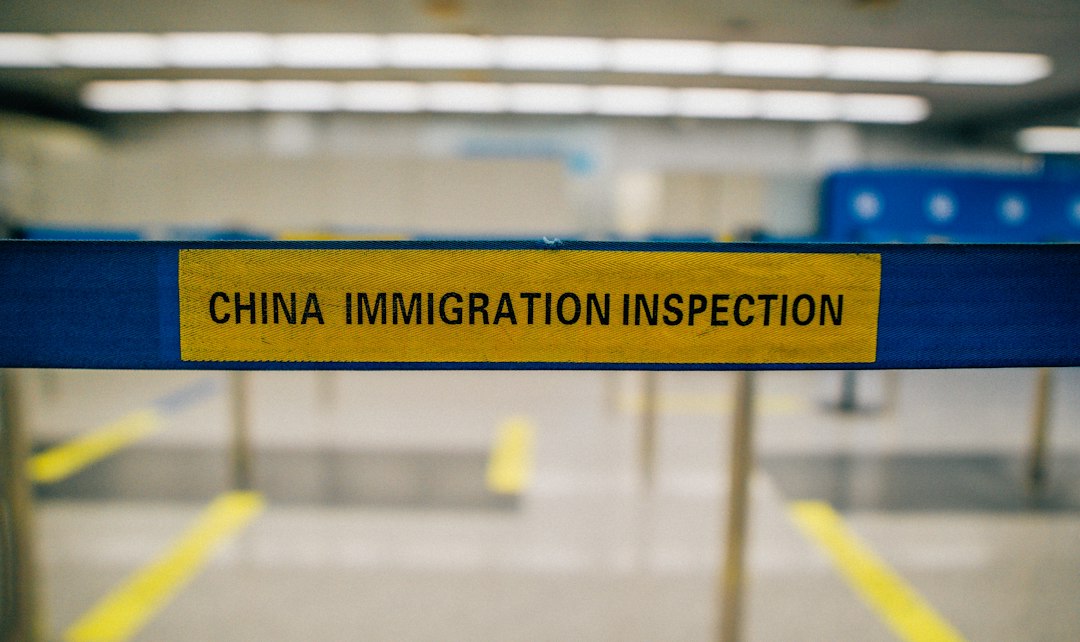
China recently presented the draft of its Transnational Anti-Corruption Law. The document sets guidelines to prevent and punish corrupt practices that cross the country’s borders, aiming to protect national sovereignty and deepen international cooperation. The initiative reflects a move toward alignment with global governance practices, with direct impacts on foreign companies and investment funds operating in the Chinese market.
The scope of transnational corruption
Article 3 of the draft law broadly defines conduct that constitutes transnational corruption. The legislation encompasses both Chinese citizens and companies (including their branches and subsidiaries) that offer bribes to foreign authorities or international organization officials, as well as foreign individuals and organizations that bribe Chinese public officials and related parties.
Beyond direct bribery, the text classifies embezzlement, abuse of power, and misappropriation of funds carried out by Chinese entities abroad as transnational corruption. The cross-border transfer of illicit assets and the flight of investigated individuals to other countries are also expressly categorized, demonstrating the government’s intent to monitor capital flows across multiple fronts.
Control mechanisms and corporate governance
The coordination of anti-corruption efforts will be led by the National Supervisory Commission, working in conjunction with ministries such as Foreign Affairs, Public Security, Justice, Commerce, and Finance. Articles 7 through 10 of the bill highlight the importance of establishing corporate compliance management systems. Authorities will act to identify risks, issue warnings, and monitor sectors that are more vulnerable to illicit practices.
The legislation also mandates that financial regulatory bodies intensify anti-money laundering supervision. Article 13 establishes that financial institutions must reinforce the monitoring of cross-border funds, tracking suspicious transactions and reporting evidence of corruption to competent authorities.
Monitoring of public officials and whistleblowing channels
The draft introduces strict rules for Chinese public servants. Articles 11 and 12 mandate oversight of public officials who obtain foreign citizenship or permanent residency abroad, while also requiring the disclosure of deposits and investments held outside the country. To strengthen the detection of irregularities, Article 17 guarantees the right of any organization or individual to report transnational corruption acts, ensuring confidentiality and providing rewards for verified information.
International cooperation and countermeasures
The draft dedicates a chapter to international judicial cooperation. Articles 21 through 25 detail mechanisms for asset repatriation, extradition, joint investigations, and evidence sharing. Article 22 lists the types of judicial assistance that may be requested from foreign jurisdictions, such as financial account tracking, search and seizure, and freezing of assets.
A notable provision is Article 6, which establishes China’s right to adopt countermeasures. If a foreign state uses anti-corruption as a pretext to improperly apply its laws extraterritorially—imposing restrictive or discriminatory measures against Chinese companies and citizens—the Chinese government may trigger blocking and retaliation mechanisms under its Anti-Foreign Sanctions Law.
Practical impact on international business
The legislative process of this new law points to a stricter regulatory environment for companies operating internationally. Organizations receiving Chinese investment or maintaining operations in China will need to align their integrity programs with the new requirements. Structuring robust governance policies and rigorously monitoring financial transactions become essential elements to ensure safe operations that comply with global standards.
This content is for informational purposes only and does not constitute legal advice. For guidance on specific matters, consult a qualified lawyer.
Deixe um comentário