
Categoria: English

  • Court Decision Bars Advertising with Minors on Social Media

    Court Decision Bars Advertising with Minors on Social Media

    The use of social media platforms for marketing campaigns has transformed the dynamics of digital advertising. However, when these actions involve minors, regulatory and judicial scrutiny is intensified. Recently, a judge denied a mother’s request seeking authorization to feature her children in commercial advertisements on social media.

    Judicial Scrutiny in Digital Campaigns

    The reported decision reflects the Brazilian Judiciary’s focus on children’s participation in promotional online activities. In the digital environment, where the boundary between organic and sponsored content can be blurred, the presence of minors in advertising materials undergoes strict review to ensure the child’s best interests are safeguarded.

    For the marketing and digital media industry, the case serves as a clear indication that parental consent alone may not be sufficient to authorize commercial campaigns involving minors. Judicial review functions as a safeguard, assessing the terms and impacts of commercial exposure.

    Impacts for Brands and Agencies

    Hiring family or child influencers requires careful planning by companies. Brands and advertising agencies must be aware that campaigns structured around children’s participation may face legal restrictions or court denials.

    • Preventive Planning: Structuring campaigns while considering potential legal restrictions regarding minors’ likenesses and commercial use.
    • Risk Assessment: Assessing the feasibility of family-oriented promotional campaigns before committing financial and creative resources.

    Conclusion

    The court’s refusal to authorize advertising featuring the applicant’s children underscores that the digital space is not exempt from oversight. Companies operating in the advertising industry must approach their digital strategies with caution, recognizing that the commercial exposure of minors is subject to strict legal boundaries.

    This content is for informational purposes only and does not constitute legal advice. For guidance on specific matters, consult a qualified lawyer.


  • Bill 2,780 and Critical Minerals Financing in Brazil

    Brazil holds a strategic role in the global natural resources market, but the critical minerals sector still faces structural hurdles to its development. Currently, the main bottleneck for companies and investors is project bankability.

    The bankability challenge

    Bankability—the ability of a project to prove its financial viability to secure credit and capital—determines whether an operation gets off the ground. In the critical minerals sector, structuring this financing has been a major barrier to developing necessary infrastructure.

    Bill 2,780 and new financial instruments

    To address this scenario and unlock the sector, Bill 2,780 (PL 2.780) proposes measures focused on mining financing. The legislative proposal progresses alongside discussions regarding new market-based financial instruments.

    The main goal of these initiatives is to create mechanisms that facilitate fundraising. By improving financing conditions, these measures seek to provide the economic viability required to attract domestic and foreign capital for critical minerals exploration and production.

    Outlook for investors

    The progress of these legislative and financial discussions marks an important step for Brazilian mining. Investors, executives, and infrastructure companies should track the progress of Bill 2,780 to understand how the market may be structured in the coming years.

    This content is for informational purposes only and does not constitute legal advice. For guidance on specific matters, consult a qualified lawyer.
  • Taxation on Postal Remittances: New Law Exempts Purchases up to US$ 50

    Conversion Bill (PLV) 13/2026, which alters the taxation rules for international internet purchases made via postal remittances, has been enacted into law. The new legislation, originating from Provisional Measure (MP) 1,357, establishes an exemption from the 20% import duty on purchases up to US$ 50, repealing the levy popularly known as the "taxa das blusinhas".

    New tax rates and specific exemptions

    The statute introduces a simplified taxation regime applicable to foreign e-commerce platforms. In addition to zeroing the duty for purchases up to US$ 50 (approximately R$ 257), the legal text establishes a rate reduction from 60% to 30% for goods totaling up to R$ 3,000 per shipment.

    During its passage through the National Congress, the original text underwent amendments. A key addition was the full import duty exemption for pharmaceutical drugs that do not have a domestic equivalent manufactured in Brazil.

    Compliance rules and customs control

    The application of this differentiated tax treatment is subject to two main requirements:

    • The specific channel used for importation;
    • The formal adherence of the foreign platform to the compliance program of the Receita Federal (Brazil’s Federal Revenue Service).

    The legislation grants the Ministry of Finance the authority to adjust import duty rates. Additionally, the federal government is authorized to establish quantitative and frequency limits on purchases. The objective is to implement control mechanisms that prevent the artificial splitting of shipments and deter the use of the simplified regime for commercial or resale purposes.

    Impact assessment and the Sino-Brazilian market

    The exemption generated debates with domestic industry sectors, which voiced concerns regarding potential unfair competition from foreign companies, particularly those operating out of China. In response to these concerns, the statute provides for continuous monitoring mechanisms.

    The Ministry of Finance must conduct periodic assessments of the economic effects of the exemption.

    Practical considerations for investors and platforms

    For cross-border e-commerce companies and foreign investors operating along the China-Brazil corridor, the new legislation reinforces the need for regulatory compliance. Benefiting from the reduced or zero rates requires strict integration with the customs compliance programs of the Receita Federal, requiring operational, logistical, and tax adjustments for platforms active in the Brazilian market.

    This content is for informational purposes only and does not constitute legal advice. For guidance on specific matters, consult a qualified lawyer.

  • Betting: regulation reduces illegal market as advertising remains a challenge

    Betting: regulation reduces illegal market as advertising remains a challenge

    The regulation of the betting market in Brazil is beginning to show its first practical impacts. Recent data indicates a retreat in the illegal market, although the sector still faces significant obstacles to reach the maturity level of other jurisdictions.

    The initial impact of regulation

    With the progress of sector regulations, the illegal betting market recorded a decline. Previously estimated at 46% of all bets, this figure retreated to around 44%.

    This reduction, although initial, signals the market’s transition toward a more controlled environment. For investors and industry executives, gradual formalization represents a step toward greater operational predictability.

    Advertising and the gap with the European market

    Despite the decrease in irregular operations, advertising remains one of the primary challenges for betting companies in the country. Marketing and communications within the sector demand ongoing attention to developing guidelines.

    In this context, Brazil is still distant from European countries. European markets have more mature regulatory frameworks, offering clearer benchmarks for advertising practices and the oversight of irregular conduct.

    Corporate outlook

    The transition from an unregulated market to a formal environment requires ongoing corporate adaptation, especially regarding communication strategies. Aligning advertising campaigns with new regulatory standards will be key to structuring sustainable operations in the Brazilian market.

    This content is for informational purposes only and does not constitute legal advice. For guidance on specific matters, consult a qualified lawyer.

  • The International Recognition of Judgments and Settlements

    The International Recognition of Judgments and Settlements

    Business globalization and the growth of foreign investment require mechanisms that provide legal certainty for parties involved in cross-border transactions. In this context, the international recognition of arbitral awards, court judgments, and mediated settlement agreements plays a central role in risk mitigation.

    Cross-Border Effectiveness

    When companies from different countries enter into contracts, it is essential to have predictability that, in the event of a dispute, the final decision can be enforced outside the country where it was issued. To address this issue and ensure cross-border effects for decisions and settlements, the international community has developed key treaties.

    Three fundamental instruments for international dispute resolution stand out in this context:

    • New York Convention: focused on the recognition and enforcement of foreign arbitral awards.
    • Hague Convention: focused on the recognition and enforcement of foreign court judgments.
    • Singapore Convention: aimed at international mediated settlement agreements.

    Significance for Foreign Investors

    For founders, executives, and foreign investors, the existence of these conventions provides greater institutional security. Knowing that a mediated settlement, a judicial judgment, or an arbitral award is supported by treaties such as New York, Hague, and Singapore reduces the risk that a favorable resolution might be disregarded in another jurisdiction.

    These mechanisms seek to ensure that the outcome of a dispute resolution process is effectively enforced, regardless of national borders. By promoting transnational effectiveness, these treaties strengthen the business environment and trust in cross-border commercial relations—indispensable elements for attracting and maintaining foreign investment.

    This content is for informational purposes only and does not constitute legal advice. For guidance on specific matters, consult a qualified lawyer.

  • End of Import Tax on Small International Parcels in Brazil

    End of Import Tax on Small International Parcels in Brazil

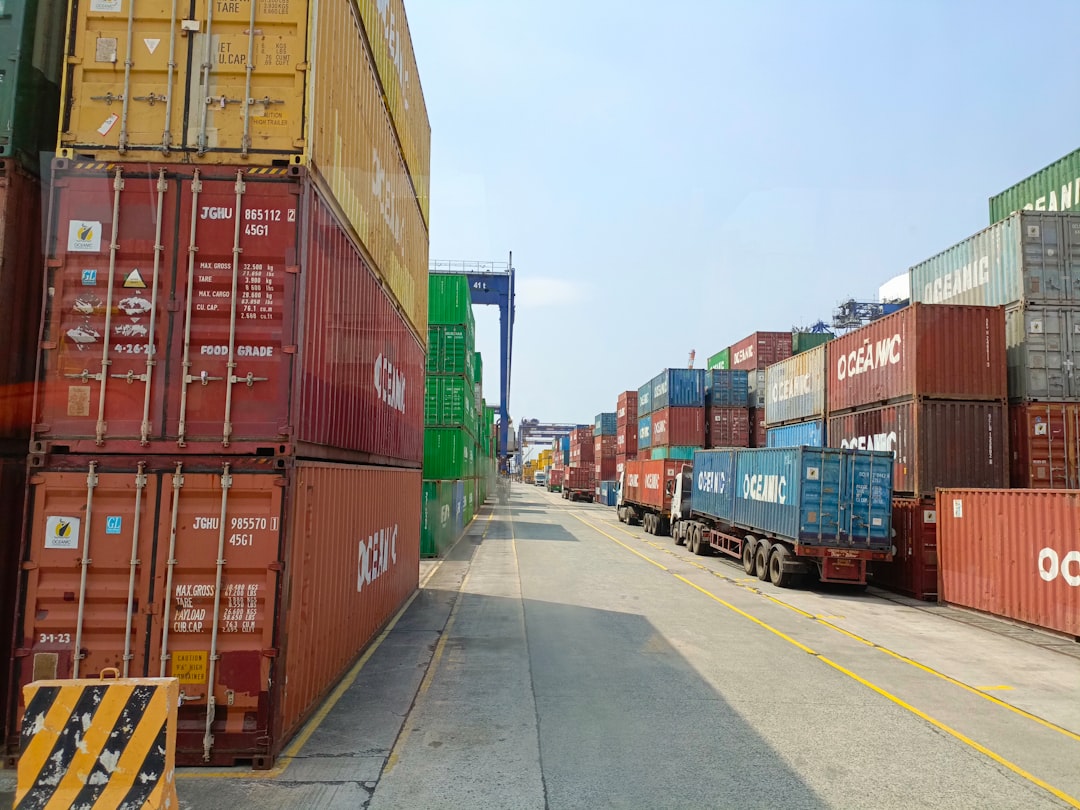
    Brazil has eliminated the federal import tax on small international parcels. This decision moves in the opposite direction of ongoing efforts in the United States and the European Union, which seek to close tax loopholes utilized by Asian retail giants such as Shein and Temu to expand their operations.

    Impact on Retail and International Platforms

    The measure, approved by Congress days before expiring, creates a duty-free route for goods entering Brazil, Latin America’s largest economy. E-commerce platforms such as Shein, Shopee, and AliExpress are among the main beneficiaries of the exemption, which covers lower-value items including apparel, electronics, toys, and household goods.

    While North American and European markets are adopting more restrictive stances toward such shipments, the tax exemption in Brazil consolidates the country as a strategic destination for cross-border retail, particularly for Asian companies.

    Political Context and Tax Revenue

    The elimination of the tax affects the country’s revenue base, but levying duties on low-value goods proved unpopular among Brazilian voters ahead of the October 4 presidential election, prompting the administration to reverse course. Despite congressional approval following weeks of negotiation, the Executive branch opted not to hold a formal signing ceremony for the legislation. This decision was made in an effort to minimize media coverage concerning the shutdown of a local bank by Brazilian authorities, a scandal that involved government allies.

    President Luiz Inácio Lula da Silva justified the exemption on grounds of social justice in a video posted to social media. He contrasted the taxation of small parcels with the exemption applied to international travel:

    “The upper-middle class travels abroad, spends 2,000 dollars, and pays no tax. Why is it that when someone from the favelas […] buys something for 50 dollars, they want to tax them? It is simply a matter of fairness […] so that the Brazilian people can buy the things they need without anyone bothering them.”

    Outlook for the Brazilian Market

    For foreign investors and retail executives, the tariff exemption reshapes competitive dynamics in the Brazilian market. The regulatory divergence between Brazil and major Northern Hemisphere economies may redirect trade flows and influence expansion strategies for cross-border e-commerce platforms across Latin America.

    This content is for informational purposes only and does not constitute legal advice. For guidance on specific matters, consult a qualified lawyer.

  • Anvisa Initiates Regulatory Process for Online Medicine Sales

    Anvisa (Brazil’s National Health Surveillance Agency) has decided to initiate a formal process to regulate the sale of medicines on digital platforms. The measure represents an initial step toward establishing guidelines tailored to e-commerce in the healthcare sector.

    Updating rules and the current landscape

    The agency’s decision paves the way to update current rules governing the commercialization of pharmaceutical products. The growth of digital platforms and online trade requires regulatory bodies to adapt standards to keep pace with new market dynamics.

    Despite the start of this regulatory process, uncertainties remain about how online medicine sales will operate in practice. The market awaits the agency’s formal definitions to understand the operational limits, technical requirements, and legal responsibilities of digital platforms operating in this segment.

    Market impact

    For technology companies, e-commerce platforms, and healthcare industry participants, monitoring this process is essential. The future regulation will define the business environment for digital pharmaceutical sales in Brazil, impacting logistics and commercial operations.

    This content is for informational purposes only and does not constitute legal advice. For guidance on specific matters, consult a qualified lawyer.

  • STJ Rules on Income Tax on the Sale of Quotas Between Real Estate Funds

    STJ Rules on Income Tax on the Sale of Quotas Between Real Estate Funds

    The STJ (Brazil’s Superior Court of Justice) issued a relevant decision for the Brazilian financial and real estate markets. The court determined that Income Tax applies to transactions involving the sale of quotas between real estate funds.

    What changes for investment funds

    Real estate investment funds are vehicles used to raise capital for the property market. Trading quotas between these funds is a common practice for portfolio restructuring and capital allocation. With the STJ’s ruling, it is established that these transactions involving the sale of quotas between real estate funds are subject to Income Tax.

    Impact on the real estate market

    The decision provides clear guidelines regarding the tax treatment applicable to these operations. For fund managers, administrators, and institutional investors, the application of the tax requires attention in financial projections and asset trading strategies.

    Purchase and sale operations of quotas between funds must, following this ruling, consider the tax cost of Income Tax to ensure the tax compliance of institutional transactions.

    Practical considerations

    In light of the scenario evaluated by the STJ, market participants may observe the following points in their operations:

    • Assessment of the tax impact before completing quota sales between real estate funds.
    • Updating internal tax compliance and governance policies.
    • Adjusting feasibility analyses for transactions involving the transfer of these assets.

    This content is for informational purposes only and does not constitute legal advice. For guidance on specific matters, consult a qualified lawyer.

  • Chinese Supreme Court Guidelines for AI and Deepfakes

    Chinese Supreme Court Guidelines for AI and Deepfakes

    China’s Supreme Court has issued new guidelines to guide judges in handling civil lawsuits involving the use of artificial intelligence (AI). The measure sets rules on liability in cases of deepfakes (digitally manipulated videos or audios), voice cloning, AI-generated “hallucinations”, and violations of personality rights.

    The 24-Article Opinion and Current Legislation

    Although the Asian country has not yet enacted an exclusive, dedicated artificial intelligence law, the new guidelines expand the legal framework applicable to technology. The 24-article opinion, released by the Supreme People’s Court, provides instructions on how to handle AI-related disputes using existing laws.

    The applied statutes include:

    • Civil Code;
    • Cybersecurity Law;
    • Copyright Law;
    • Personal Information Protection Law.

    According to the Court, these rules are the first of their kind and aim to draw clear legal red lines while also seeking to support innovation and technological development, aligning with current national policy.

    Focus on Deepfakes and Personality Rights

    One of the primary focuses of the document is the use of artificial intelligence to create manipulated images and videos, clone human voices, and digitally recreate deceased individuals. The Supreme Court highlighted that such practices may infringe upon fundamental legal protections covering aspects of an individual’s identity, including image, voice, and reputation.

    Practical Considerations

    For technology companies and investors operating in the Chinese market, the new opinion signals the direct application of privacy and copyright laws to AI tools, requiring caution and compliance in the development and commercial use of generative technologies.

    This content is for informational purposes only and does not constitute legal advice. For guidance on specific matters, consult a qualified lawyer.

  • STJ Rules That Reclame Aqui Is Not Automatically Liable for User Complaints

    STJ Rules That Reclame Aqui Is Not Automatically Liable for User Complaints

    The 3rd Panel of the Superior Court of Justice (STJ, Brazil’s high court for non-constitutional federal law) issued a relevant decision regarding the liability of digital platforms that host consumer complaints. According to the ruling, the portal Reclame Aqui is not automatically liable for complaints published by its users.

    Platform liability

    The focus of the court’s review was determining when a digital platform becomes liable for third-party content. The 3rd Panel of the STJ established that the provider has no prior or automatic liability for what consumers post on the platform.

    Under the Court’s understanding, the portal only incurs liability if it fails to comply with a court order mandating the specific removal of the content.

    Impact on the business environment

    For technology companies and investors, the ruling reinforces operational standards for review and complaint platforms in Brazil. The decision signals that tech intermediaries do not act as prior censors of user statements, but remain obligated to act once formally compelled by a court order.

    This content is for informational purposes only and does not constitute legal advice. For guidance on specific matters, consult a qualified lawyer.