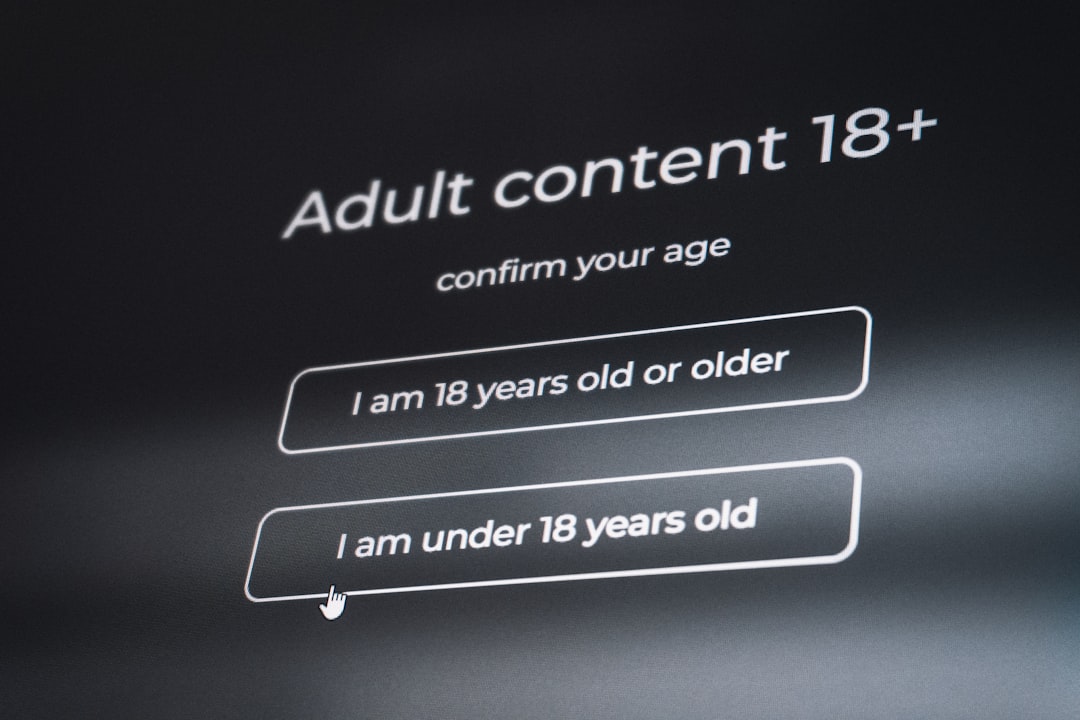
The Brazilian federal government, through the Office of the Attorney General of Brazil (AGU), filed a lawsuit in Federal Court against the messaging platform Discord. The central claim involves alleged violations of national child protection laws. In the lawsuit, the AGU seeks approximately BRL 500 million in damages.
The Digital Child and Adolescent Statute
The alleged violations concern the Digital Child and Adolescent Statute (ECA), legislation enacted in 2025 that amended the original 1990 law to extend and apply specific protections to digital platform environments.
Under the rule, digital platforms operating in Brazil must implement strict safety and privacy controls by default. In addition, the law requires integrating safety mechanisms directly into platform design, such as:
- Age verification systems;
- Parental control tools;
- Effective content moderation mechanisms.
Enforcement and oversight fall under the National Data Protection Authority (ANPD). Non-compliance with the rules can lead to fines of BRL 50 million for each violation committed.
The AGU’s Allegations and Platform Suspension
The AGU’s complaint outlines ten distinct statutory violations. Among the alleged failures are insufficient age verification controls, the absence of parental monitoring systems, and the omission of content moderation.
This legal action follows recent administrative measures. The ANPD had already suspended Discord’s operations in Brazil due to these same child safety concerns. According to government authorities, the platform’s suspension remains in effect, independently of the lawsuit brought by the AGU.
The Attorney General, Jorge Messias, stated that the platform allowed unlawful conduct due to insufficient protection for women, children, and adolescents. He emphasized that the government will act across the country whenever it identifies such unacceptable practices.
A Global Enforcement Trend
The Brazilian landscape reflects growing global concern over child safety in digital environments. In July, the European Commission indicated that TikTok failed to meet child safety requirements under the Digital Services Act. In the United States, a recent federal trial involves a coalition of states seeking up to USD 1.4 trillion in penalties against Meta for similar youth safety violations.
Practical Considerations for Technology Companies
The case highlights increasing regulatory scrutiny of technology and social media companies in Brazil. Foreign investors and digital platform operators must structure their Brazilian operations in strict compliance with ANPD rules and the Digital Child and Adolescent Statute. Implementing parental controls and age verification tools is not merely good practice, but a statutory requirement whose breach can trigger substantial financial liabilities and operational suspensions.
This content is for informational purposes only and does not constitute legal advice. For guidance on specific matters, consult a qualified lawyer.
Deixe um comentário