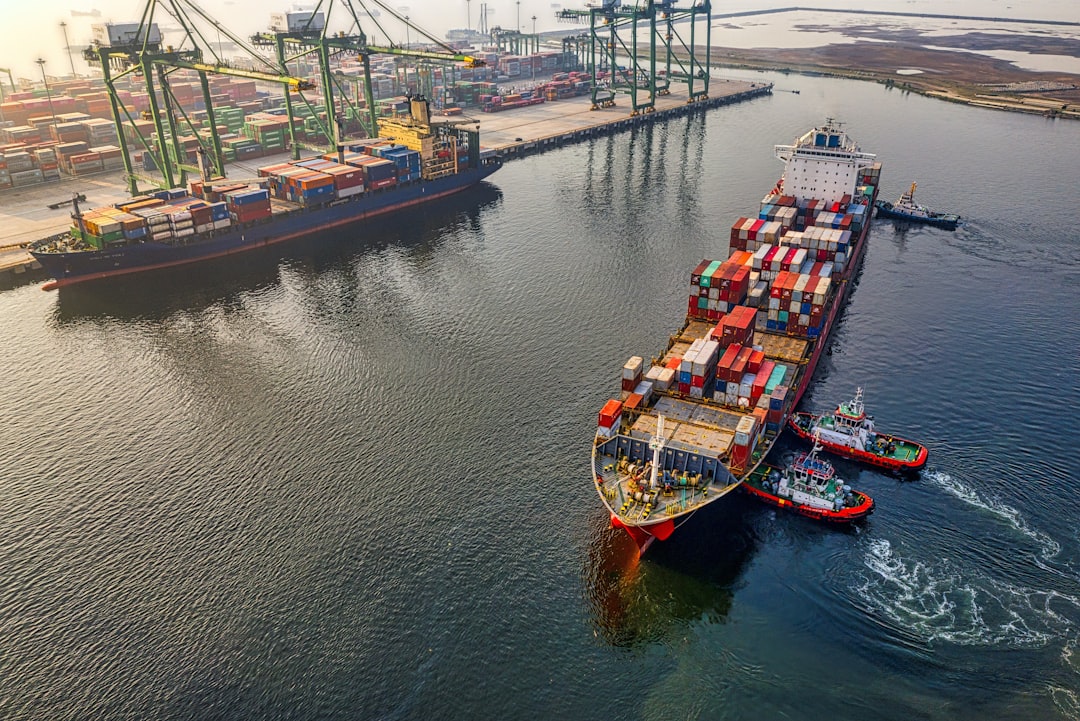
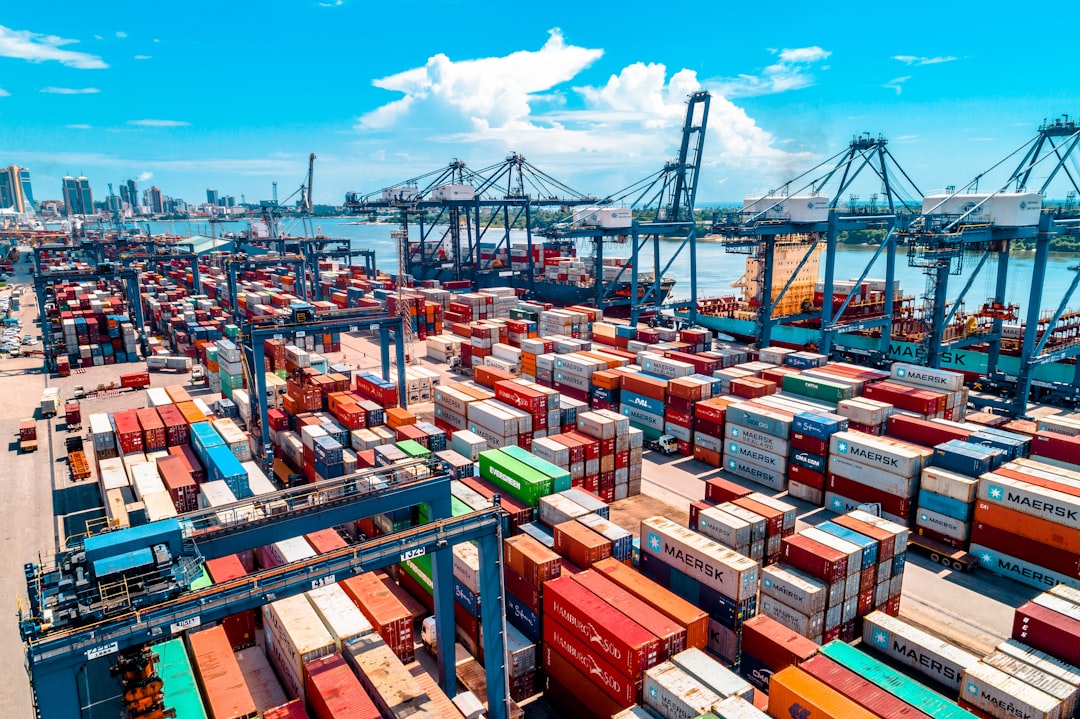
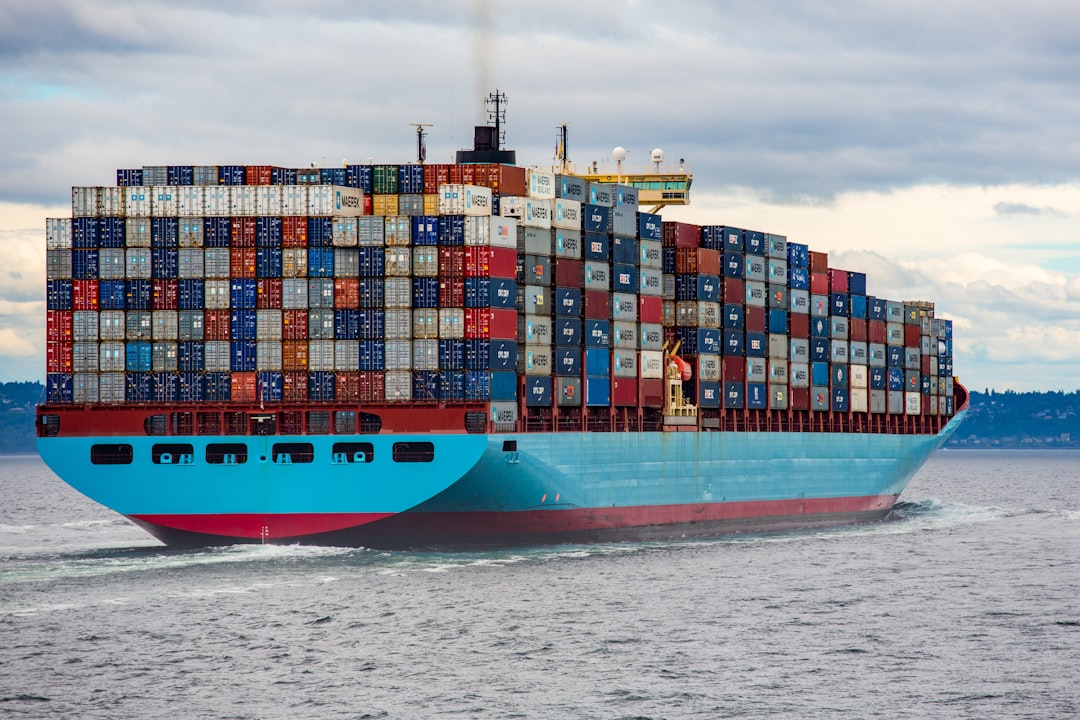
The Ministry of Finance has formalized the opening of a process to evaluate the application of commercial reciprocity measures against the United States. The Brazilian government’s initiative emerges as a direct response to the recent imposition of a 37.5% surcharge on certain products exported by Brazil, a measure that directly affects approximately US$ 6.6 billion in national exports.
The US government justified the tariff increase by alleging supposed unfair trade practices and the existence of forced labor in production chains. In response, in addition to triggering the World Trade Organization (WTO), Brazil initiated internal procedures to evaluate retaliations. However, Finance Minister Dario Durigan highlighted that the adoption of any countermeasure will be preceded by a broad dialogue with Brazilian business leaders and foreign investors, ensuring predictability for the market.
The Legal Mechanism: Law No. 15,122
The legal basis for the possible Brazilian response is Law No. 15,122, sanctioned last year unanimously in the National Congress, known as the Reciprocity Law. This normative instrument establishes objective criteria for Brazil to suspend commercial concessions whenever an international partner adopts unilateral actions, policies, or practices that harm national economic competitiveness.
In legal and practical terms, if a country with which Brazil maintains commercial relations imposes unjustified barriers, the legislation allows the Brazilian State to adopt measures of the same nature to rebalance the trade scale. A fundamental principle of this law is proportionality: countermeasures must be applied, as far as possible, in the exact proportion of the economic damage caused to Brazil by the other country or economic bloc.
The Impact on the Brazil-US Investment Axis
The commercial relationship between Brazil and the United States is one of the structural pillars of foreign direct investment (FDI) in Latin America. Entire production chains, from agribusiness to the technology sector, depend on the continuous flow of capital, the import of US inputs, and the export of Brazilian manufactured products and commodities.
The potential application of the Reciprocity Law has the potential to significantly alter the cost dynamics for companies with cross-border operations. Therefore, the government’s caution in not applying automatic sanctions is seen as a move to protect corporate governance and the stability of multinational operations installed in the country.
What are the possible countermeasures?
If the government decides to move forward with the application of Law No. 15,122 after concluding the hearing phase, the actions implemented to compensate for the US tariff increase must be restricted to the mechanisms provided in the legislation and indicated in the process. According to information from the original source, the tools under evaluation involve the suspension of commercial concessions and the possibility of imposing taxes on products imported from the infringing country. Such measures aim to rebalance market conditions, always respecting the principle of proportionality in relation to the damage suffered by Brazilian exports.
The Relevance of Hearing the Productive Sector
The decision to hear the private sector before applying sanctions is an essential step in modern regulatory law to mitigate unwanted risks. The Minister of Finance emphasized that a reciprocity process conducted with seriousness demands the active listening of potential stakeholders and affected parties. This approach prevents a commercial retaliation from ultimately burdening the Brazilian domestic market itself, making vital inputs for national industry more expensive or discouraging new foreign capital contributions.
Practical Perspectives for the Market
For companies operating in international trade, the current scenario requires continuous monitoring. The opening of the reciprocity process does not result in the immediate application of tariffs, but it signals a possible change in the bilateral customs structure in the medium term.
It is recommended that executives, founders, and supply chain managers map their exposure to the tariffs and closely follow the Ministry of Finance’s consultation schedule. The active participation of affected companies in these dialogues is the appropriate means to demonstrate to the government the real impacts that countermeasures may cause on their production costs and global competitiveness.
Regulatory predictability and private sector participation are determining factors for maintaining a secure and attractive business environment for foreign capital.
This content is for informational purposes only and does not constitute legal advice. For guidance on specific matters, consult a qualified lawyer.