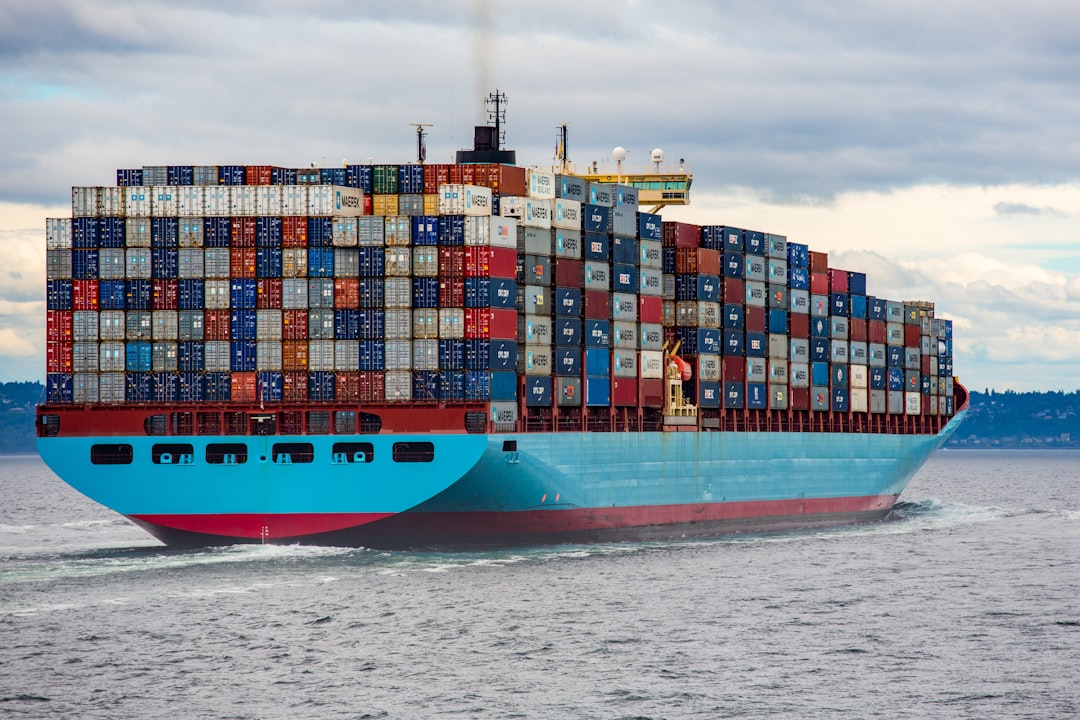
A recent report released by the White House placed nine Latin American countries, including Brazil, on a United States government watchlist. The document indicates that these nations present a high risk for illegal transshipment, a mechanism allegedly used by Chinese exporters to bypass US import tariffs. This measure reflects the intensification of global trade relations and brings direct implications for foreign trade operations in the region.
The concept of illegal transshipment and rules of origin
In customs law and international trade, illegal transshipment occurs when goods are sent to an intermediary country before reaching their final destination, with the goal of altering the declared origin of the products. This maneuver seeks to take advantage of lower import tariffs or avoid trade sanctions and surcharges applied to the actual country of origin of the goods.
To combat this practice, customs authorities use the so-called rules of origin. This is a set of legal and technical criteria that determines the economic nationality of a good. For a product to change its origin, it must undergo a process of substantial transformation in the intermediary country. When a product is merely repackaged, simply assembled, or undergoes minimal modifications, it does not acquire a new origin for tariff purposes before US authorities.
The scenario in Latin America
Besides Brazil, the United States monitoring list includes Argentina, Chile, Peru, Costa Rica, the Dominican Republic, Mexico, Panama, and Colombia. The report highlights that more than forty countries worldwide present a high risk of being used as tariff evasion routes in the context of trade tensions between the United States and China.
Practical impacts and the importance of compliance
The inclusion of Brazil and other regional partners on this risk list signals a likely increase in the strictness of customs inspections by United States authorities. Companies that produce and export to the US market from Latin America may face additional documentary requirements and more frequent audits to prove the true origin of their products.
Given this scenario of greater scrutiny, foreign investors and executives operating global supply chains must reinforce their internal compliance procedures. It is essential to maintain detailed and auditable documentation regarding the entire manufacturing process, the origin of acquired inputs, and the industrial transformations carried out within the national territory. Strict traceability of the production chain is the main tool to demonstrate the regularity of commercial operations, ensure the legal security of investments, and avoid the retention of goods in foreign markets.
This content is for informational purposes only and does not constitute legal advice. For guidance on specific matters, consult a qualified lawyer.
Deixe um comentário